Building Safer Digital Spaces for People with Disabilities

Ahead of the Global Summit on Tech-Facilitated Gender-Based Violence, we're excited to share guest blogs from some of our speakers. This piece is written by Sumaiyya Juma, Executive Director of The Shield Maidens.
Imagine you are a young woman with a disability, excited to finally put yourself forward for a leadership position in your community. You post a photo in a WhatsApp group, hoping to share your ideas and encourage others to support you. Within minutes, the comments begin.
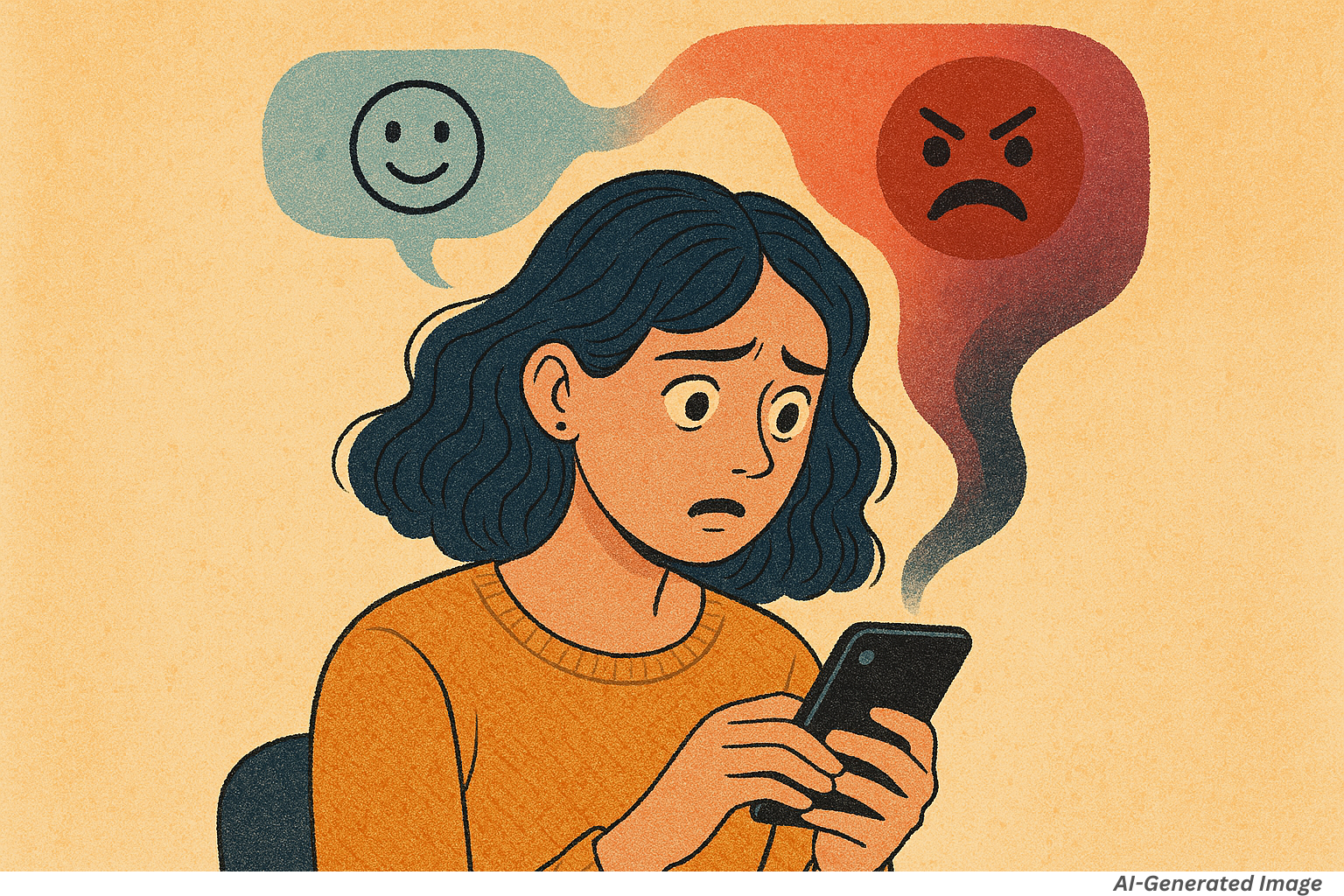
People mock your appearance. Others question your intelligence and ability to lead. Someone screenshots your photo and shares it elsewhere with degrading captions. Notifications keep appearing on your phone long after midnight. You start rereading your own message, wondering if you should delete it entirely.
The next morning, you hesitate before opening WhatsApp.
For many persons with disabilities, this is not an imaginary scenario. It is the reality of navigating online spaces where visibility can quickly become vulnerability.
Technology has opened powerful doors for connection, advocacy, creativity, education, and economic opportunity. But for many persons with disabilities, digital spaces also come with unique risks. Cyberbullying, impersonation, cyberstalking, doxxing, image-based abuse, and online harassment are increasingly being used to shame, intimidate, silence, and isolate persons with disabilities.
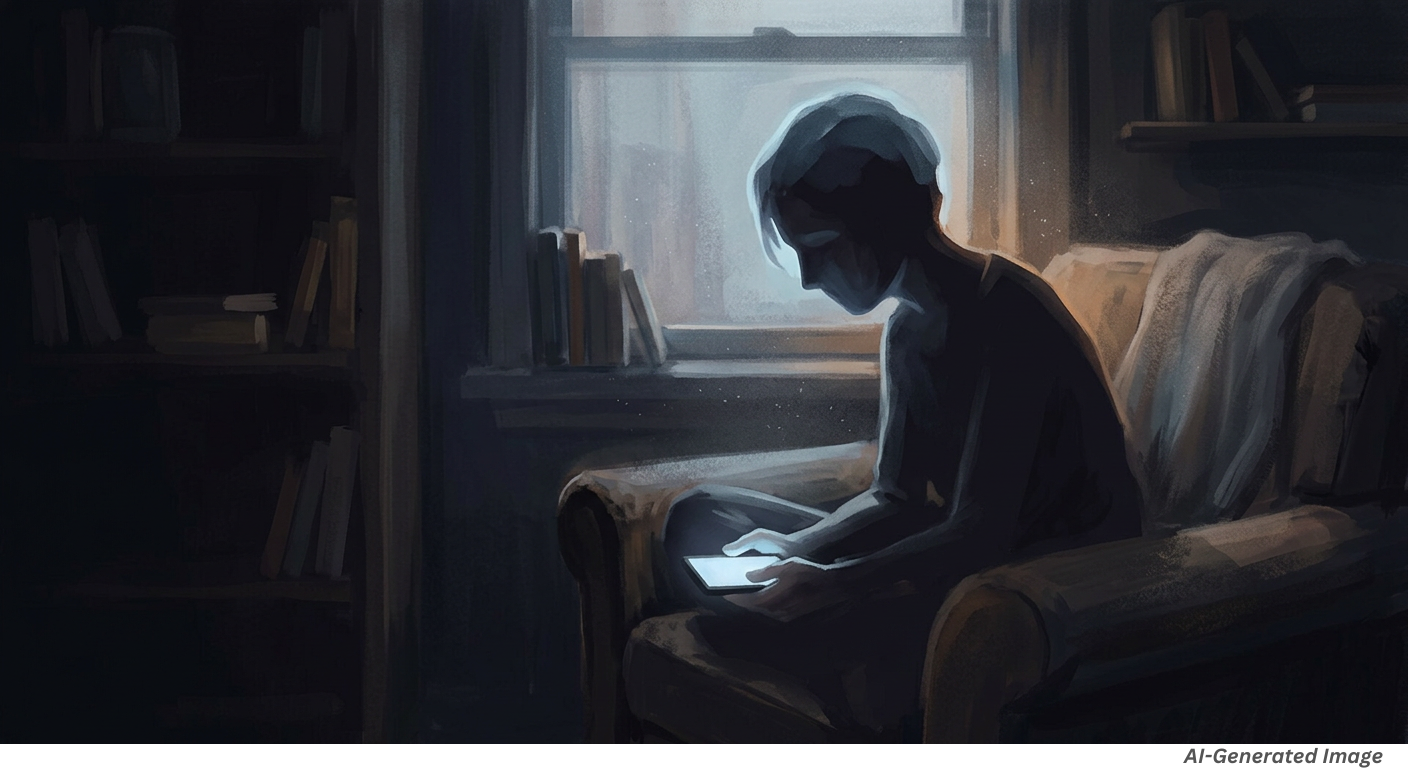
These harms do not end when the screen goes dark.
What often goes unseen is the emotional weight that follows this kind of abuse.
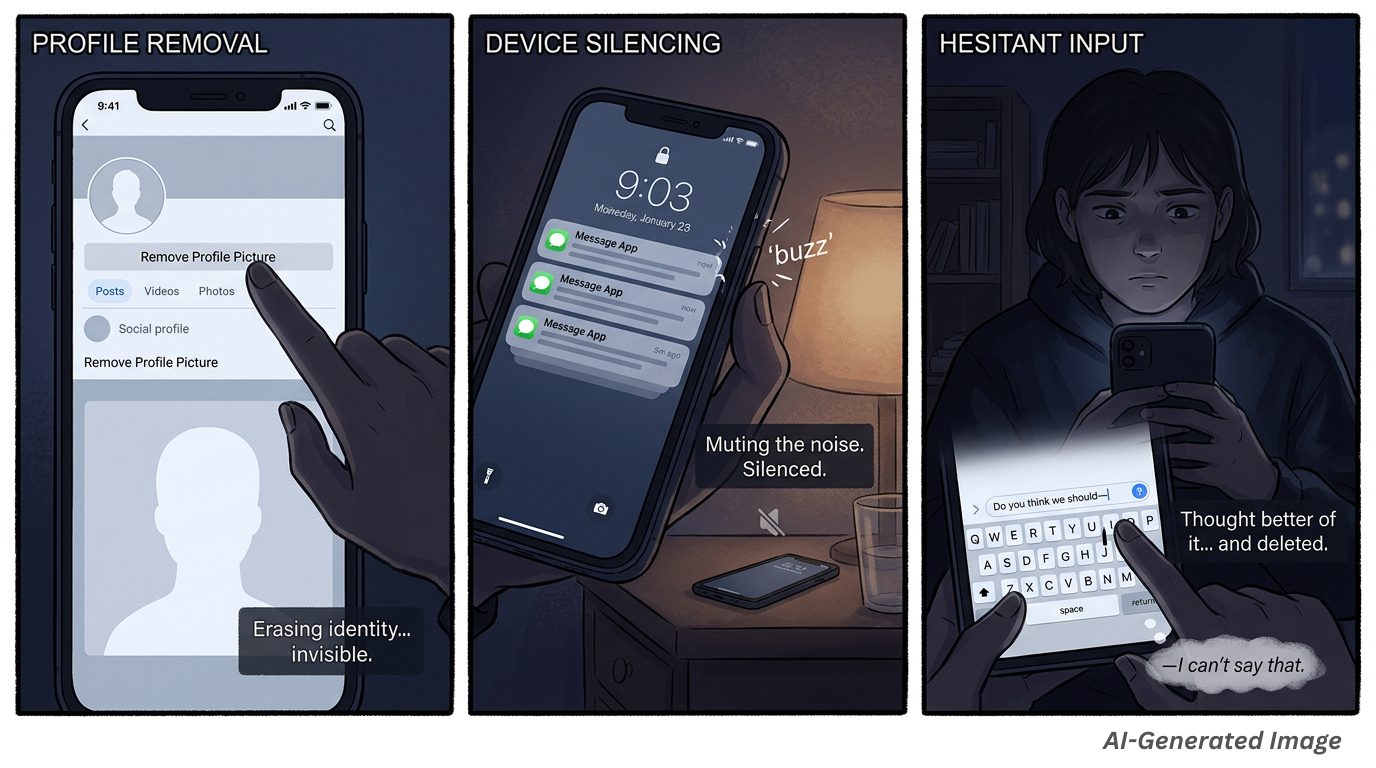
Some people begin overthinking every post before sharing it. Others stop posting photos altogether or remove profile pictures to avoid attention. Some mute their phones at night because the constant notifications become overwhelming. Others quietly withdraw from online conversations they once enjoyed because the anxiety of being targeted becomes too exhausting. Caregivers, who are often responsible for helping persons with disabilities navigate online spaces, also carry immense pressure while trying to protect loved ones without always having the digital literacy, tools, or support they need.
Over time, this creates something dangerous: silence. And silence is exactly what online abuse is designed to achieve.
But that is not the full story.
Across communities, many survivors and caregivers continue finding ways to protect themselves online. They block and report abusive users, strengthen passwords, enable two-factor authentication, avoid oversharing personal information, and carefully review privacy settings before posting. Some use word-filtering tools to reduce exposure to harmful content, while others document abuse through screenshots and saved messages.
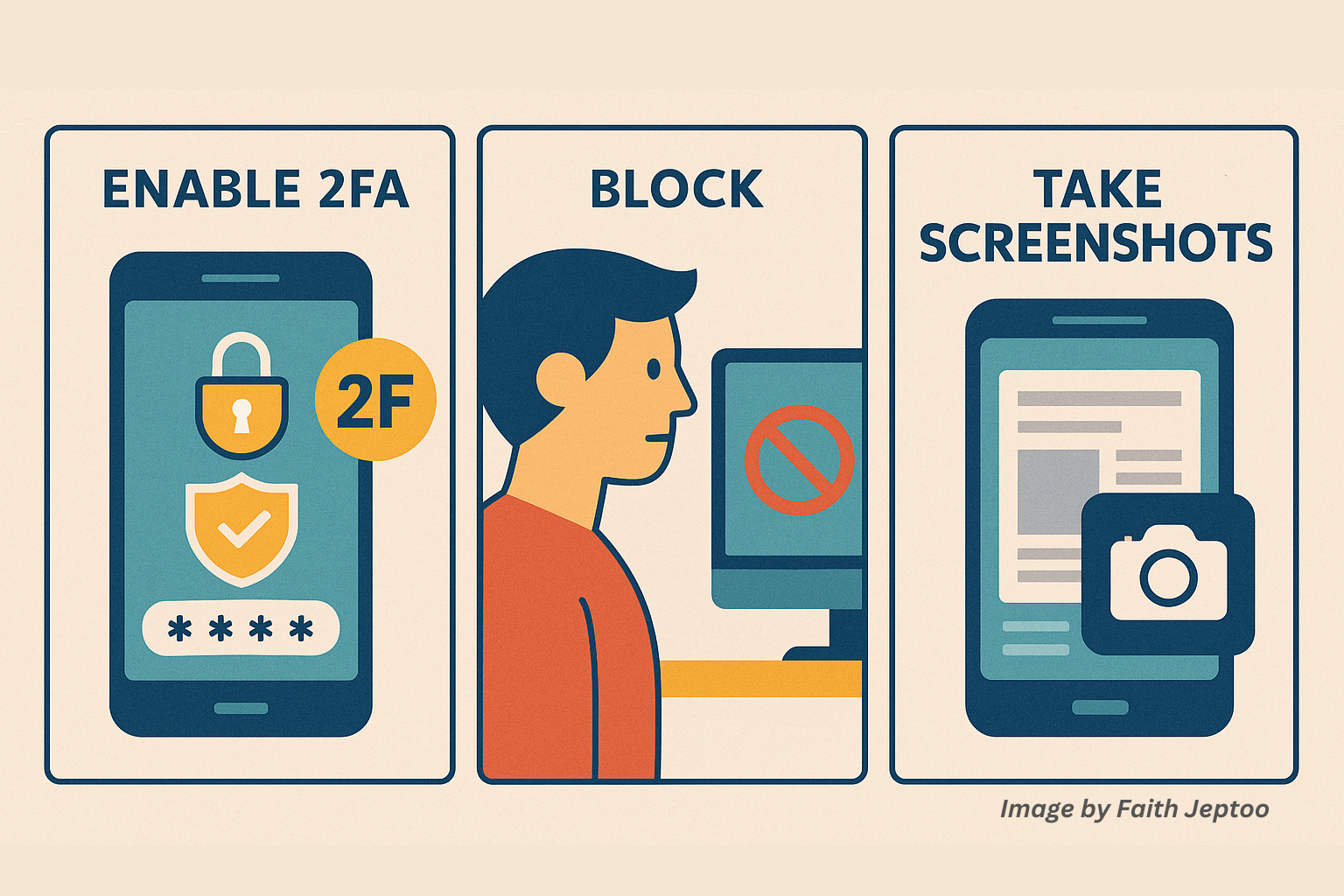
Survivors have adapted because they have had to. But that also raises an uncomfortable question: why are people still being forced to become their own security teams just to exist safely online?
One thing is clear: accessibility and inclusion cannot remain afterthoughts in conversations about digital safety.
A survivor cannot seek help from a reporting platform she cannot navigate. A deaf user cannot access safety information in a video without captions or sign language interpretation. A blind user should not be locked out of reporting abuse because forms are incompatible with screen readers. When digital safety tools are inaccessible, support becomes conditional instead of universal.
The encouraging part is that change is possible, and many communities are already showing what inclusive digital safety can look like.
Practical solutions already exist. Digital safety resources can be made available in audio, braille, captions, subtitles, large print, easy-to-read text, and sign language interpretation. Reporting systems can include supportive step-by-step guidance instead of overwhelming technical language. Platforms can introduce adjustable font sizes, voice-command functionality, screen-reader compatibility, and calmer non-flashing interfaces for users with sensory sensitivities.
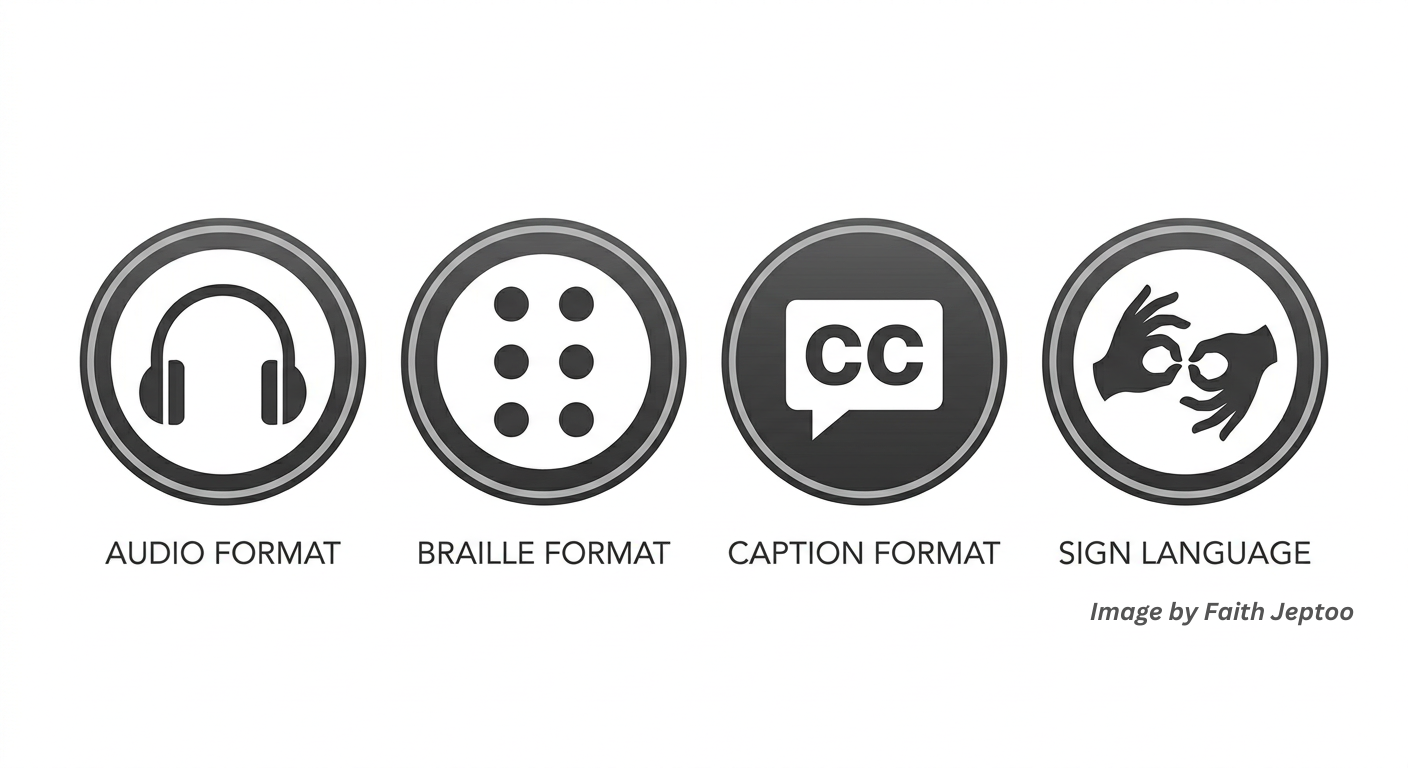
These may sound like small design choices, but for many persons with disabilities they determine whether support feels accessible or completely out of reach.
More importantly, these solutions should not be designed for persons with disabilities without their involvement. Inclusive digital safety works best when persons with disabilities are part of shaping the tools, policies, and conversations intended to protect them.
Creating safer online spaces also requires collective responsibility.
Technology companies need to make reporting systems more responsive, accessible, and easier to navigate. Schools and community programs can normalize conversations around disability inclusion and online safety from an early age. Organizations can expand digital safety training and provide psychosocial support for survivors and caregivers.
Friends, families, and allies also have a role to play. Believing survivors matters. Checking in matters. Refusing to normalize online abuse matters.
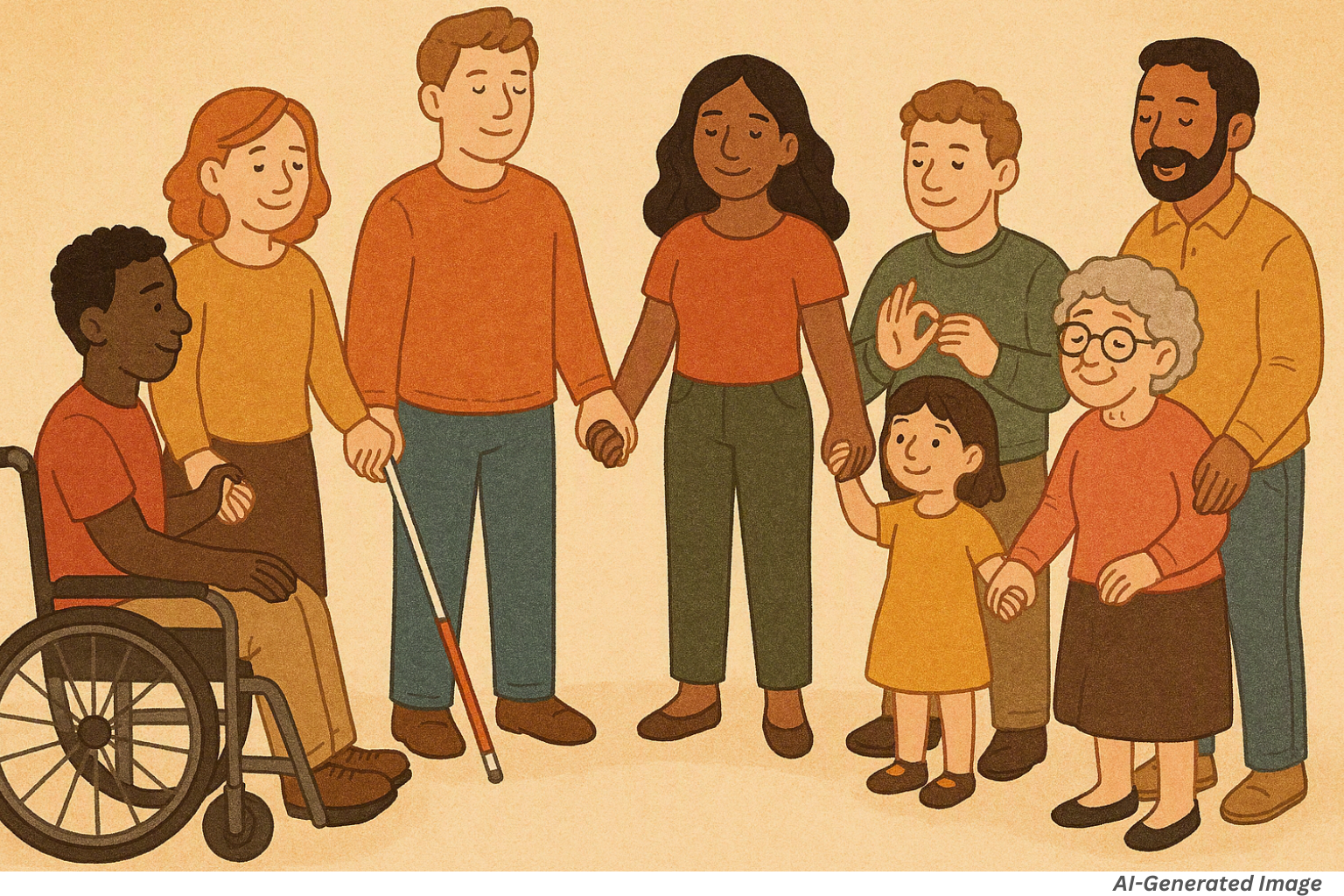
Across Africa, organizations such as The Shield Maidens are already helping drive this shift toward inclusive digital safety.
And the truth is, meaningful progress does not always begin with massive policy changes. Sometimes it begins with smaller decisions, adding captions to a video, making a reporting form accessible, teaching a caregiver about online safety, or creating spaces where survivors feel believed instead of dismissed.
No one should have to choose between visibility and safety.
Digital spaces should empower persons with disabilities to learn, create, connect, and lead, not punish them for showing up as themselves.
The Shield Maidens' Inclusive Digital Safety Toolkit is a free, accessible resource for survivors, caregivers, and community organisations. It includes step-by-step guidance in multiple formats including audio, easy-read text, and more, so that getting help does not require navigating barriers of its own.
Access the toolkit: https://theshieldmaidens.org/inclusive-digital-safety
Want to go deeper? Join the virtual Global Summit on Tech-Facilitated Gender-Based Violence, hosted in partnership with UN Women, to be part of the conversations shaping how we address gender-based violence in the digital age through collaboration, innovation, and collective action.
Author Bio: Sumaiyya Juma is the founder of The Shield Maidens and an advocate for inclusive digital safety, cybersecurity awareness and online safer spaces. She is also a security consultant and a public speaker.
Together We Can End Domestic and Sexual Violence


