
April is Sexual Assault Awareness Month
Every April, the National Sexual Violence Resource Center (NSVRC), one of the many leading organizations on NO MORE’s steering committee, coordinates the National Sexual Assault Awareness Month (SAAM) campaign to educate and engage the public in addressing this widespread issue.
1 IN 2 WOMEN & 1 IN 6 MEN
Experience contact sexual assault in their lifetime.
According to the National Intimate Partner and Sexual Violence Survey, this figure reflects a widespread and deeply concerning reality, sexual violence affects millions of people across their lifetime.
But what’s even more alarming is how early it begins. Data from the Centers for Disease Control and Prevention shows that nearly half of female survivors were first assaulted before the age of 18.
At the same time, sexual assault remains drastically underreported. According to Rape, Abuse & Incest National Network, only about 1 in 3 sexual assaults are reported to the police, meaning the majority of cases never enter the justice system. And in most cases, the perpetrator is not a stranger. The World Health Organization notes that sexual violence is often committed by someone known to the victim, such as a partner, acquaintance, or peer, challenging common misconceptions about who is responsible.
Together, these realities reveal a pattern that cannot be ignored, sexual violence is widespread, often begins early, is rarely reported, and frequently occurs within trusted environments, making awareness, prevention, and support more urgent than ever.

WHAT IS SEXUAL ASSAULT AND WHY DOES IT MATTER TO TALK ABOUT IT?
Sexual assault is any sexual act or behavior that occurs without clear, voluntary, and ongoing consent. According to the Rape, Abuse & Incest National Network, it includes a wide range of experiences, from unwanted touching and harassment to coercion, manipulation, and forced sexual activity.
Consent must be freely given, informed, and reversible. This means it cannot be obtained through pressure, intimidation, threats, or when someone is unable to agree, such as when they are unconscious, under the influence, or below the legal age of consent.
Importantly, sexual assault is not defined by physical force alone. As highlighted by the United Nations, it can also occur through emotional pressure, abuse of power, or situations where someone feels they cannot say no.
Sexual assault can happen to anyone, regardless of gender, age, or background, and it often occurs between people who know each other, making it more complex and often underreported.
Ready to Take Action?
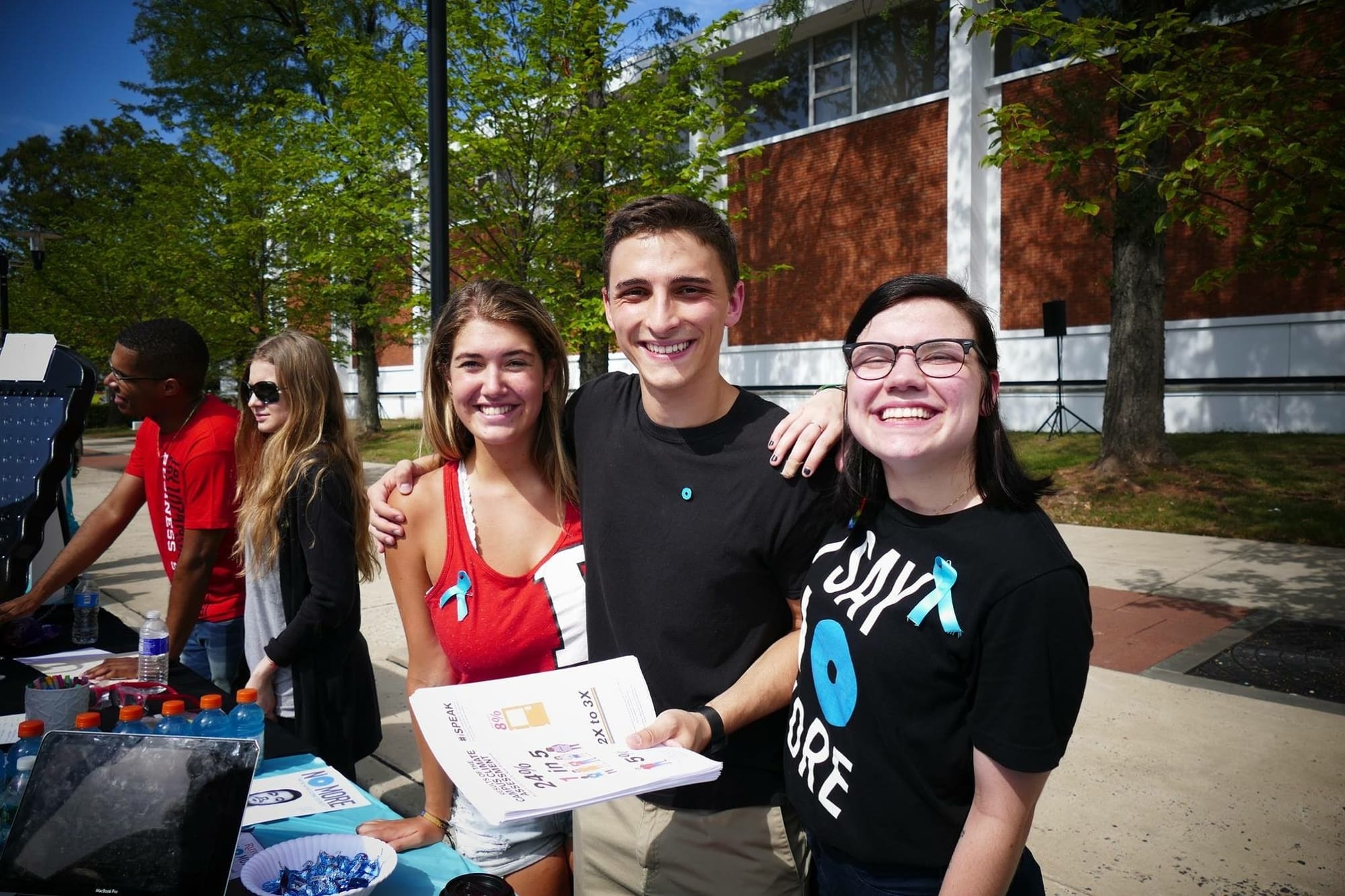
Be inspired. Get the NO MORE Toolkit.
Raising awareness about domestic and/or sexual violence is a great way to educate your community, and the more people who are informed about these abuses, the better chance we have of ending them.
Take Action on Campus
Explore practical strategies to foster safer campus communities with expert guidance. Access actionable tools and key resources to support survivors and create lasting chance on campus.

Finding This Content Helpful?
If you find this content helpful and believe in our mission to end domestic and sexual violence, please consider making a donation, which will allow us to continue to provide free resources, raise awareness, and drive change.
Join the Movement