
A Region in Revolt: How Communities Across Asia Are Saying “NO MORE”
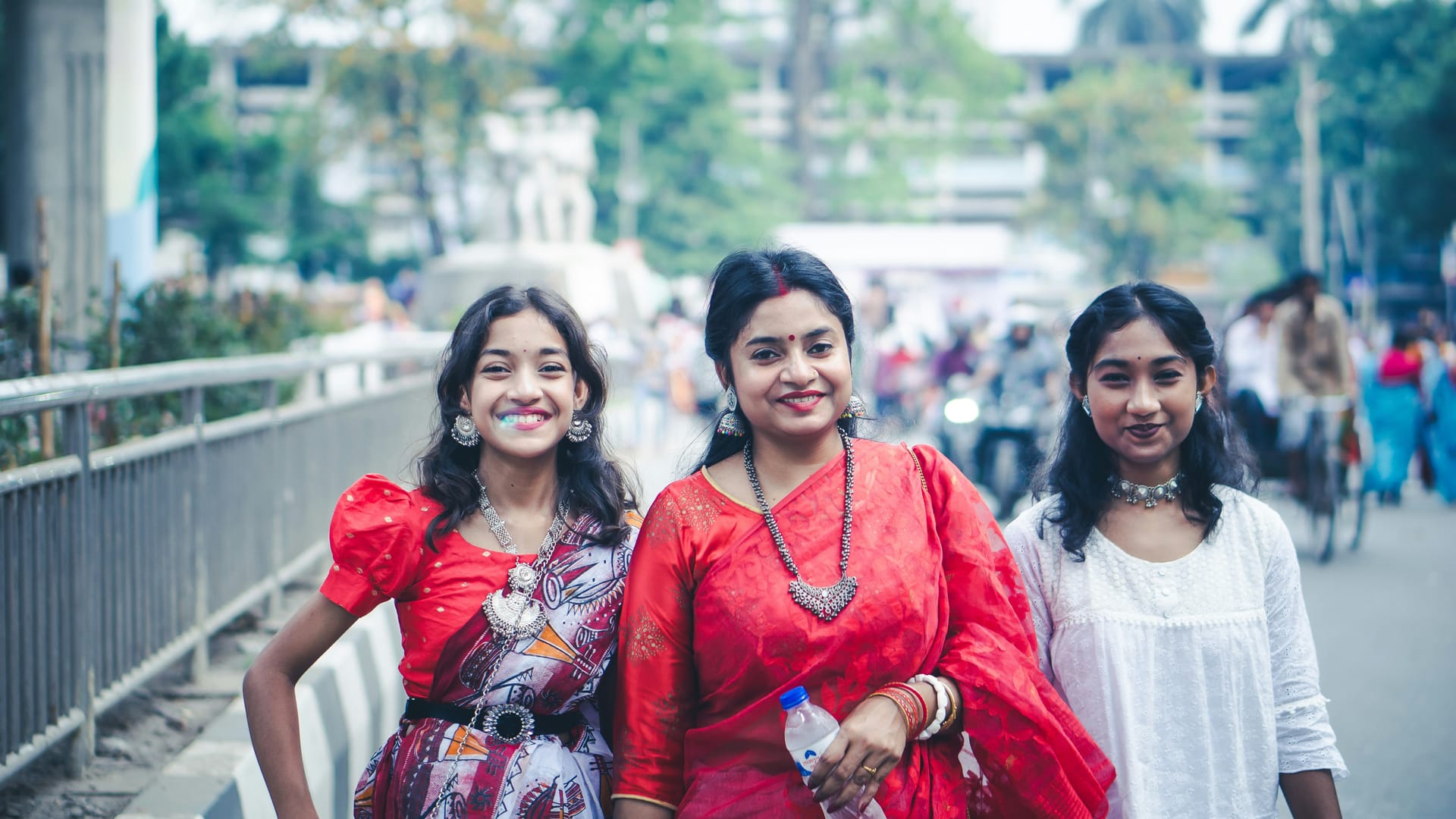
Each day during NO MORE Week, we’re highlighting how communities around the world are taking action to end abuse. Today, join us on the KNOW MORE Blog and NO MORE’s social channels as we spotlight efforts across Asia.
Across Asia, conversations about gender-based violence and abuse are shifting. For too long, violence in the home has been dismissed as a “private matter,” public harassment overlooked and even normalized, and survivors silenced by stigma and legal systems that make safety and justice feel out of reach.
Today, these patterns are being challenged in visible and transformational ways as regional campaigns attract global attention. The result is a region in flux: while the realities of abuse are still severe, the determination to end it is louder, more connected, and more hopeful than ever.
Tech and Tradition: Emerging Trends and Deep-Rooted Challenges
Within Asia’s digital hubs, technology has become a double-edged sword. In China, tech-facilitated abuse is rapidly rising, from online stalking and harassment to the non-consensual sharing and manipulation of intimate images. Similar challenges are unfolding in South Korea, where generative AI has been weaponized to create sexually explicit images of women without their consent, while an epidemic of hidden spy cameras in public toilets and changing rooms has generated widespread outrage, forcing governments and platforms to confront abuses that thrive in digital spaces.
These digital harms exist alongside older, deeply entrenched forms of abuse. In parts of Central and South Asia, child, early, and forced marriage remains one of the most persistent human rights violations. Girls are still pulled out of school to marry, often much older men, trapping them in lifelong cycles of abuse. These marriages have historically been justified in the name of tradition, honor, or poverty relief, even as they strip women and girls of their autonomy and safety.
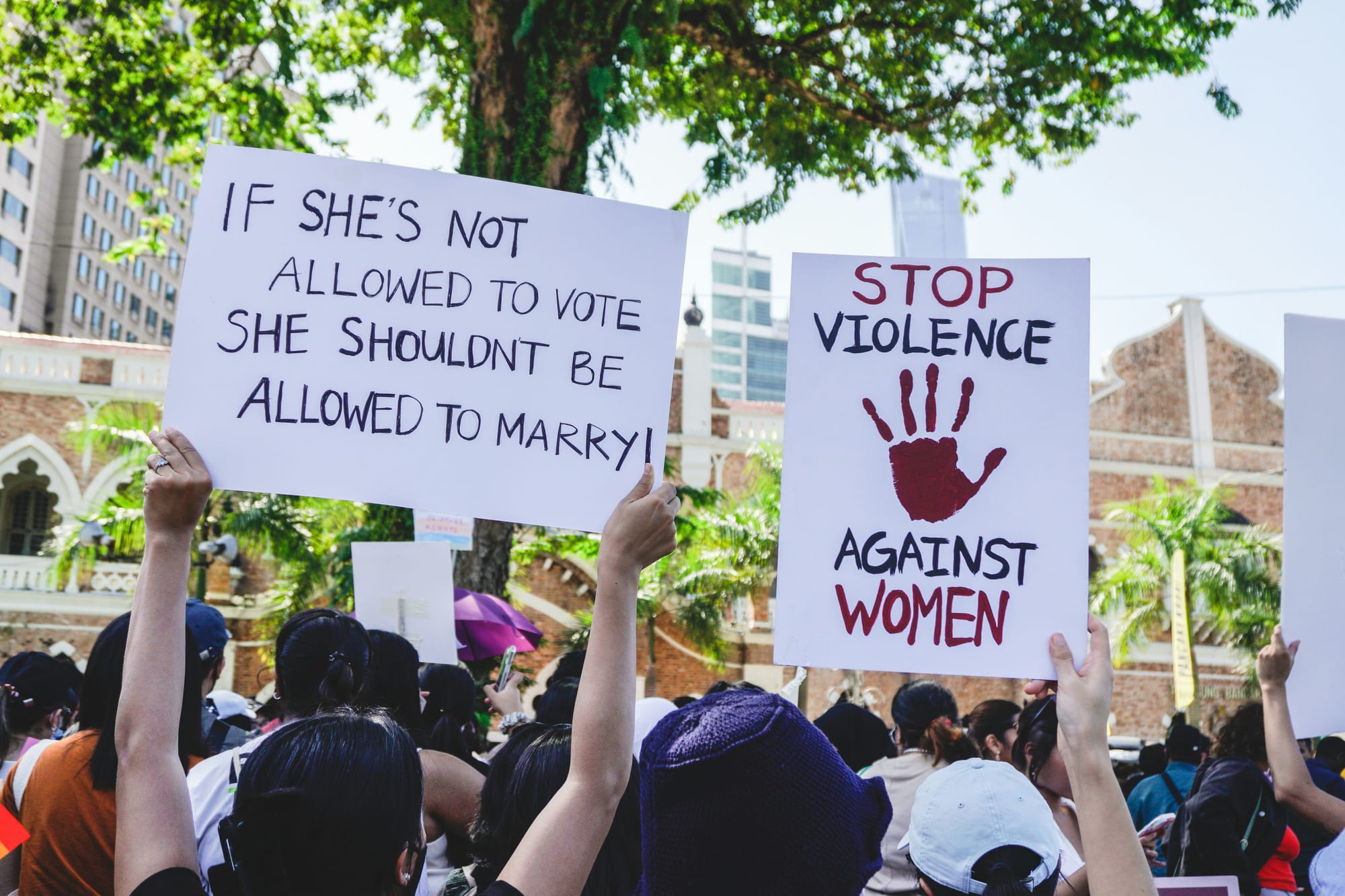
Meanwhile, high rates of femicide—the gender-related killing of women and girls—expose the deadliest manifestations of patriarchal social norms and impunity. Each year, nearly 80,000 women and girls are killed by an intimate partner or family member throughout Asia. High-profile cases of women being killed after seeking divorce, refusing marriage, or reporting abuse have sparked protests and national debates in many countries, revealing a desperate will for change.
Amid these challenges, though, policing remains a major barrier to justice. Survivors who report abuse often encounter disbelief, humiliation, or pressure to reconcile with their abuser. Some are asked to provide impossible levels of proof; others are blamed or discouraged from filing a case at all. Corruption, lack of training, and weak oversight mean that even strong laws can fail in practice.
These realities form the backdrop for the powerful movements advancing throughout the region. But, while the challenges are immense, so too is the courage and resilience of those pushing back.
#MeToo and Beyond: Rewriting the Narrative Around Sexual Assault
In Japan, NO MORE Ambassador Shiori Ito has become a symbol of resistance and change. After surviving sexual assault by a prominent journalist, she documented deep-rooted failures in the justice system, revealing how survivors can be left without recourse, especially when their abusers are powerful men.
Her decision to speak out helped catalyze Japan’s #MeToo movement, inspiring countless others to share their stories and question why systems were built to disbelieve them. It also helped drive landmark legal reforms, including changes to a century-old law that had narrowly defined rape and excluded many forms of coercion and power-based abuse.
Across South Asia, similar currents of courage are reshaping public perceptions of abuse. In Pakistan and Bangladesh, the Aurat March (Women’s March) and related campaigns have created powerful platforms for women and marginalized genders to challenge violence, harassment, and discrimination. Each year, demonstrators fill the streets with bold slogans and artwork calling for an end to domestic abuse, sexual harassment, child marriage, and so-called “honor” crimes, while demanding survivor-centered laws and accountable institutions.
Like Shiori and the other women driving #MeToo in Japan, these marches insist that abuse is not a private shame, but a public crisis. Together, survivors and allies are rewriting the story, using personal testimony and collective action to break the silence and demand change.
Reclaiming Rights: Woman, Life, Freedom in Iran
Meanwhile, in Iran, the Woman, Life, Freedom movement stands as one of the most powerful challenges to gender apartheid in recent history. This system of inequality is enforced through harsh modesty laws, discriminatory family codes governing marriage, divorce, custody, and inheritance, and a broader legal framework that treats women as second-class citizens.
Nearly four years ago, the death of 22-year-old Mahsa Jina Amini in police custody ignited nationwide protests. People from all walks of life took to the streets, with women and girls at the forefront. These protests brought the state’s violations into the global spotlight, making clear that what was happening in Iran was not just a “cultural” issue, but a human rights crisis.
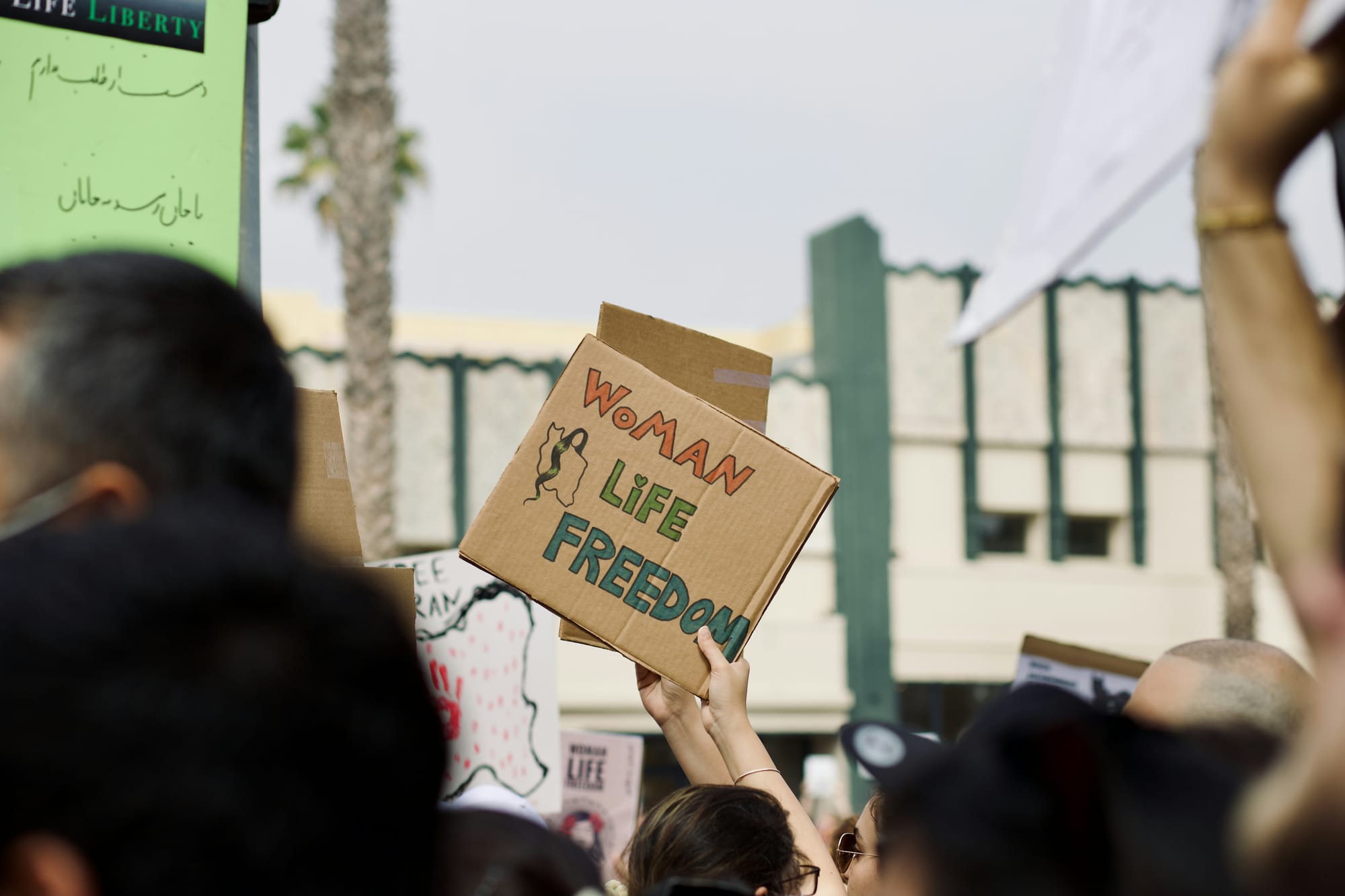
Since then, despite crackdowns, the spirit of resistance has not disappeared. In many cities, compulsory veiling has become effectively unenforceable and men have become increasingly engaged with the movement, standing alongside women and recognizing that patriarchal control harms all of society.
A Beacon of Hope
Across Asia, these movements are interconnected by a shared refusal to accept violence as inevitable. There is still a long way to go. Laws remain inadequate or unenforced and many survivors continue to face isolation and danger. Yet movement-building across Asia is a beacon of hope for societies everywhere. It shows that transformation is possible; that empathy runs deep in communities, even when it is not visible on a structural level; and that survivor voices have the power to reshape futures for everyone, not just those directly affected by abuse.
This NO MORE Week and beyond, we honor and celebrate the ongoing efforts of communities around the world who are rejecting violence and oppression in all its forms. We recognize the survivors speaking out, the advocates who stand beside them, and the communities working tirelessly to affect change, even at great personal risk. Together, they are building a world where safety and dignity are not exceptions, but expectations.
Learn more about how organizations and advocates are responding to gender-based violence throughout Asia on our NO MORE Week Regional Playlist on YouTube.
To seek help or find a support service near you, visit the NO MORE Global Directory.
Together We Can End Domestic and Sexual Violence


